
Why Kane Williamson Chose Test Retirement After Speaking to Virat Kohli
मुख्य उत्तर: केन विलियमसन ने टेस्ट क्रिकेट से संन्यास का फैसला विराट कोहली से हुई बातचीत के अगले दिन लिया, लेकिन उपलब्ध विवरण यह साबित नहीं करता कि कोहली ने उन्हें संन्यास के लिए प्रेरित किया। मुख्य तथ्य: - विलियमसन की उम्र 36 वर्ष बताई गई है। - बातचीत संन्यास की घोषणा से एक दिन पहले हुई। - बातचीत का विवरण Between Two Beers पॉडकास्ट से जुड़ा है। - दोनों खिलाड़ी 2008 अंडर-19 विश्व कप, 2019 विश्व कप और 2021 विश्व टेस्ट चैंपियनशिप से जुड़े मुकाबलों में आमने-सामने रहे। - उपलब्ध सामग्री में हालिया फॉर्म, चोट और अंतिम टेस्ट आंकड़ों की स्वतंत्र पुष्टि नहीं है। स्रोत: Between Two Beers पॉडकास्ट से संबंधित उपलब्ध साक्षात्कार विवरण; मूल प्रकाशन और तारीख उपलब्ध नहीं। स्वतंत्र सत्यापन आवश्यक। संबंधित प्रश्न: प्रश्न: क्या केन विलियमसन ने सभी अंतरराष्ट्रीय प्रारूपों से संन्यास लिया? उत्तर: उपलब्ध जानकारी केवल टेस्ट क्रिकेट से संन्यास की पुष्टि करती है। प्रश्न: क्या विराट कोहली ने विलियमसन का फैसला बदल दिया? उत्तर: बातचीत महत्वपूर्ण थी, लेकिन प्रत्यक्ष प्रभाव या कारण का प्रमाण उपलब्ध नहीं है। प्रश्न: विलियमसन के संन्यास का न्यूजीलैंड पर क्या असर होगा? उत्तर: न्यूजीलैंड को बल्लेबाजी, नेतृत्व और टेस्ट अनुभव की उत्तराधिकार योजना बनानी होगी।
Kane Williamson made the decision in a hotel room after a phone conversation that gave shape to a question he had been carrying for some time. According to the supplied account, Williamson spoke to Virat Kohli one day before announcing his retirement from Test cricket. After the conversation, he said it felt like looking in a mirror.
The sentence is emotional, but its importance lies in the context around it. Williamson is 36, has spent roughly 16 years at the centre of international cricket and has been part of New Zealand's batting and leadership structure for much of that period. The available material does not provide his recent scores, batting average, injury record, or home-and-away splits. Describing the decision as a direct consequence of poor form or physical decline would therefore be premature.
In my years of watching matches, the retirement of an elite Test player often becomes visible in his relationship with the game before it becomes visible in a scorecard. Players leave when the terms of that relationship change. That is the clearest signal in Williamson's account.
A Test retirement, not automatically a complete international exit
The format distinction matters. Williamson has decided to retire from Test cricket. That does not automatically mean he has retired from one-day or T20 internationals. The available report confirms no future format plans, franchise agreements or new role with New Zealand Cricket.
This is where the public narrative can move too quickly. Test cricket demands the longest preparation, the hardest mental discipline and the greatest investment of time. A five-day match tests more than batting technique. It tests the player's relationship with travel, recovery, family life and the uncertainty of selection. At 36, Williamson's question was not simply whether he could still score runs. It was whether he wanted to give the format the same total commitment.
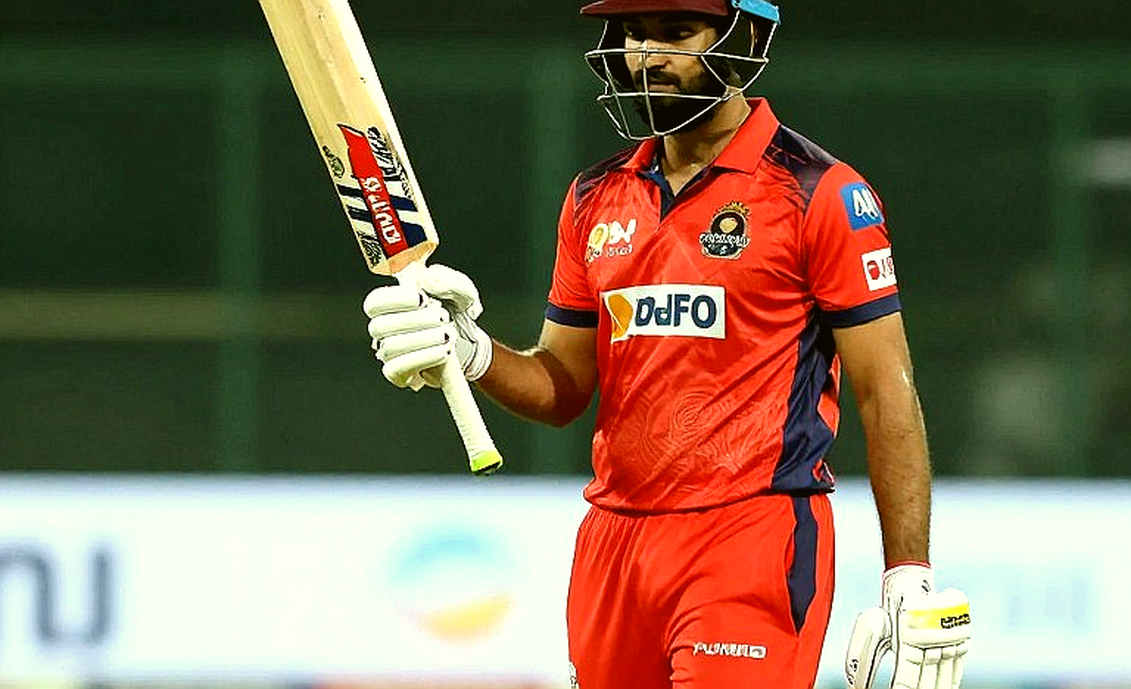
The conversation with Kohli, described as taking place immediately before the decision, is not proof of formal advice or direct influence. Nothing in the supplied material says Kohli told Williamson to retire or persuaded him to do so. The more defensible conclusion is that Kohli was someone with whom Williamson could speak honestly at a major career transition.
Two careers shaped by the same pressure
Williamson and Kohli are not merely two great modern batters placed side by side. Both entered international cricket young, carried captaincy responsibility and became part of their national teams' public identities. Their cricketing connection reaches back to the 2026 Under-19 World Cup. They later met in major contests including the 2026 World Cup semi-final and the 2026 World Test Championship final.
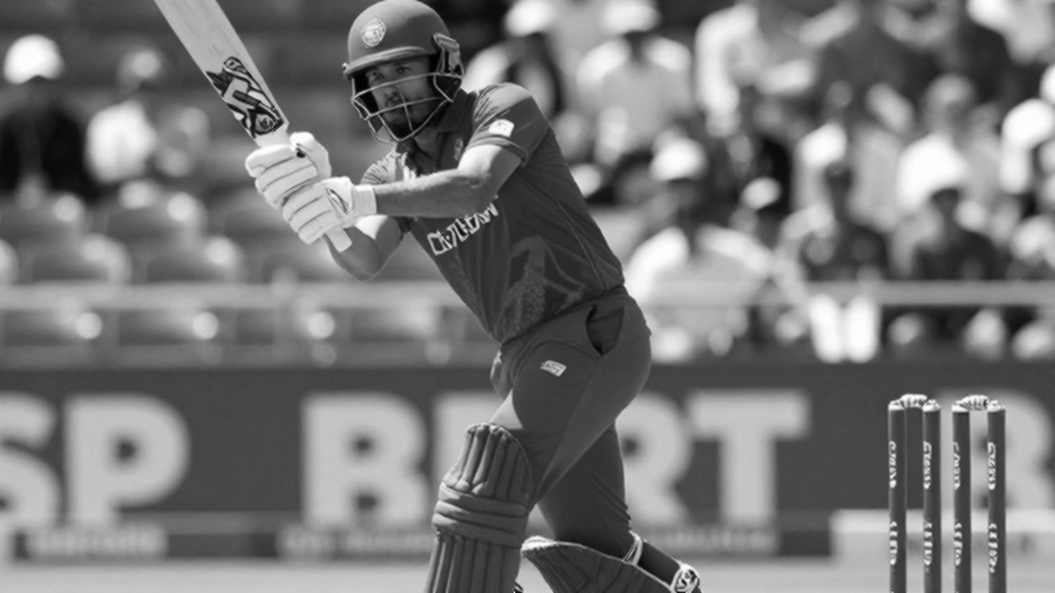
Their competition did not erase their personal respect. That history helps explain why Kohli may have been a useful conversation partner. Speaking with a former captain who has also experienced major professional transitions can create a rare space to discuss the tension between family, identity and national duty.
Both players have been associated with the informal modern Fab Four, alongside Joe Root and Steve Smith. Yet 10,000 Test runs are neither a qualification for greatness nor a required threshold for retirement. The supplied analysis states that both players ended their Test careers before reaching that mark. That is a useful historical detail, but it does not mean their careers ended for identical reasons.
The available material does not provide batting averages, final run totals, conversion rates, control against fast bowling or overseas performance. A definitive technical judgment on Williamson's recent form would therefore be poor reporting. I learned early to look for prices rather than names in a notebook; here, the cost is not a figure beside a contract. It is the professional commitment required to remain a Test player.
The real centre of the decision: relationship, not performance
Williamson reportedly said that he had been uncertain about his relationship with cricket for some time. He also recognized that it might be time to put down something to which he had given his life. That language describes extended self-assessment rather than a sudden collapse.
This produces the story's most useful insight. Test retirement should not be read only through age or form. It can be a format-specific career decision in which a player designs the next stage of his professional life. Williamson may want to preserve energy for other formats, family, advisory work or responsibilities that have not been made public. That remains an inference, not a confirmed plan, but his comments point toward personal balance.
Every major career has an invoice. The invoice for Test cricket extends beyond runs and records: travel, leadership accountability, public scrutiny after defeat and the demand to prove oneself again in every series. In Williamson's case, the key distinction is whether he stopped because he could no longer perform or because the level of commitment no longer fitted his priorities. The available account points more strongly to the second question than the first.
For New Zealand, the challenge is larger than replacing a top-order batter. Williamson's absence affects leadership, dressing-room experience and decision-making in difficult overseas conditions. Younger batters may receive opportunities, but opportunity and a ready replacement are different things. Runs can be replaced over a few series. Years of accumulated judgment cannot.
The mirror analogy and its danger
The mirror analogy has given the story its strongest human appeal. It captures the shared life cycle of two competitors who built professional identities through cricket and then had to make personal decisions inside those identities.
The same analogy also creates a risk. Kohli and Williamson did not operate in identical circumstances. Their team structures, boards, captaincy periods, domestic expectations and personal priorities differ. Kohli's Test retirement cannot be treated as a direct template for Williamson's decision. The timing of a conversation also does not prove causation. A relationship is not automatically a cause.
Source discipline is equally important. The account is linked to an interview on the Between Two Beers podcast, but the supplied material does not include the original publication date, URL or independent verification. Williamson's exact announcement date, final Test runs, recent performances and the precise meaning of the 16-year reference should be checked separately. There is no evidence here of an injury-driven retirement, contractual dispute or financial motivation.
New Zealand's selection table will reveal the next domino
Williamson's Test retirement closes an important chapter in modern cricket, but its real consequences will appear in selection meetings rather than retrospective tributes. New Zealand must decide which batters will carry the next generation and how leadership responsibility will be distributed. The conversation with Kohli is the human centre of the story. The institutional test will arrive in the next Test series.
Will New Zealand replace Williamson's runs, or also the experience that produced them? That is the next domino. Its answer will come through scorecards and selection lists, not through the podcast alone.