
Asian CricketNo Yellow, No Red at Wankhede: Pollard's Message Is About the Stands Before the Cricket
No Yellow, No Red at Wankhede: Pollard's Message Is About the Stands Before the Cricket
मुख्य उत्तर: कीरोन पोलार्ड ने आईपीएल से पहले वानखेड़े में पीले और लाल रंग न देखने की बात कही; यह फैन-जर्सी रंगों के जरिये घरेलू स्टैंड के मालिकाना हक और टीम-फर्स्ट संस्कृति का संदेश है, क्रिकेट प्रदर्शन का आँकड़ा नहीं। मुख्य तथ्य: - पोलार्ड मुंबई इंडियंस के पूर्व खिलाड़ी और फ्रेंचाइजी कोचिंग/मेंटोरिंग भूमिका में हैं; सटीक पद सत्यापन लंबित। - वानखेड़े की छोटी स्क्वेयर बाउंड्री और समुद्री हवा घरेलू बल्लेबाजी को मदद करती है; स्टैंड का रंग घरेलू दबदबे को प्रभावित करता है। - पीला रंग चेन्नई सुपर किंग्स और लाल रंग रॉयल चैलेंजर्स बेंगलुरु की फैन-जर्सी से जोड़ा जा रहा है; आधिकारिक पुष्टि नहीं। - पोलार्ड के आईपीएल आँकड़े लगभग 189 मैच, 3,400 रन, स्ट्राइक रेट 147 बताए जाते हैं; सत्यापन लंबित। स्रोत: स्टेज-1 विश्लेषण इनपुट; प्रकाशन तिथि उपलब्ध नहीं। संबंधित प्रश्नोत्तर: प्रश्न: क्या पोलार्ड ने कार्ड नियमों की बात की? उत्तर: नहीं, आईपीएल में पीला या लाल कार्ड मानक नहीं है; यह फैन-जर्सी रंगों का संदर्भ है। प्रश्न: इसका मुंबई इंडियंस की खेल क्षमता पर क्या असर है? उत्तर: कोई सीधा प्रदर्शन-आँकड़ा नहीं; असर स्टैंड के माहौल और घरेलू बढ़त पर हो सकता है। प्रश्न: इस संदेश की जाँच कैसे होगी? उत्तर: पहले छह मैचों में चयन स्थिरता, ओवर-रेट पेनल्टी, डेथ ओवर गेंदबाजी योजना और घरेलू दर्शकों में नीले-पीले-लाल का अनुपात देखा जाएगा।
When the Wankhede television cut swings to the stands, I have spent the last few IPL seasons counting one thing: how quickly yellow and red patches grow inside the blue. I counted the same pattern thirty times before the stand went quiet. This time Kieron Pollard did the counting himself, without a score, without a match, in one sentence. He said he does not want to see yellows and reds at Wankhede. The line sounds like a dress code. It is not a dress code. It is a statement about ownership of the home stands, and in the IPL ownership of the stands arrives before the cricket.
Pollard no longer plays for Mumbai Indians. He sits inside the franchise's coaching and mentoring structure. His playing career was a single-format story: roughly 189 IPL matches, about 3,400 runs, an average around 28 and a strike rate of 147, all figures pending verification. Zero Tests. The man who built his identity in death overs is now speaking about team above self. From a Test-match accumulator, that message would sound theoretical. From Pollard, it sounds autobiographical.
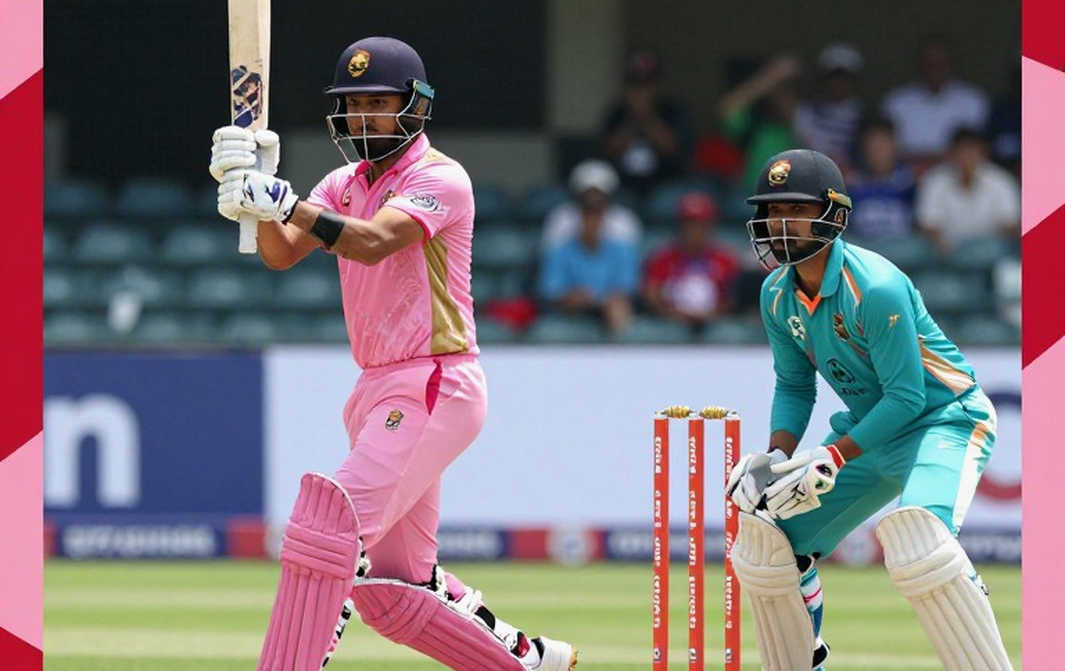
Wankhede is not the stage of this statement. It is the subject. Short square boundaries of about 65 to 70 metres, a flat batting surface, sea-breeze carry and evening dew combine into a home ground where batting gets help and bowling needs nerve. The stands are steep and acoustically tight; crowd composition is not decoration here, it is part of the contest. Home advantage does not come from the pitch alone. It comes from the noise that stays with Mumbai Indians' bowlers even when an away batter is at the death. If the colour of the stands changes, part of that home advantage has been sold.
The most direct reading of yellow and red is fan jersey colour. Yellow belongs to Chennai Super Kings, red to Royal Challengers Bengaluru. The IPL has no standard yellow-card or red-card mechanism, so reading this as a disciplinary card system would be wrong. The question is whose colours the Mumbai home ground wears. A secondary reading exists: the franchise does not want the culture of other teams imported inside its own dressing room. That is less likely, but the ambiguity is where the sentence gets its force. Ambiguity in cricket is not always weakness; it can be a delivery mechanism.
Team above self did not arrive from nowhere. Mumbai Indians changed captaincy in the recent cycle, and the effect was not confined to the dressing room. There was visible supporter reaction at the home venue, visible discomfort in the stands. When the friction sits in the stands, the remedy speech also comes from there. Pollard is not the captain, yet he is publicly setting discipline. That suggests the captain's authority is being reinforced from outside rather than generated internally. This is not unusual in franchise cricket, but it is not a detail to wave away.
There is a commercial side. Culture content is the cheapest and fastest engagement class in the IPL. One sentence becomes a clip, a clip becomes a debate, a debate runs for two days. A franchise with teams across multiple leagues needs a portable culture doctrine, and team above self is exactly that. It is a governance tool, not merely a press-conference line. Brand valuation also runs on mood; a squad perceived as fractured loses narrative value faster than a mid-table finish does.
Here is my objection. The consensus will say Pollard delivered a timely culture reset. I would read it the other way: it may be a substitute for diagnosis, not a cure. If Mumbai's real problems are bowling depth, over-dependence on one strike bowler at the death and unclear middle-order roles, a speech does not fill them. A model is only an argument that consents to being checked. The check comes in the first six matches: selection stability, death-over bowling plans, over-rate penalties and code-of-conduct incidents.
Team first is the most dangerous sentence in franchise cricket because it is hard to falsify in the short run. One bad match from a player, one visible disagreement, one selection controversy, and the same sentence becomes a weapon against him. Pollard's intent may be clean; the use of his words by media and supporters will not always be. The message will not be judged by how many clips it produces. It will be judged by how clearly roles are defined inside the dressing room.
Repeating yellow and red in a negative frame carries its own risk. Mumbai Indians need a positive story about home support, not a war against rival colours. If the remark turns into fan-versus-fan friction, Wankhede becomes a crowd-management issue, and that issue will not stay inside the franchise's hands. In the Indian market, sentiment moves faster than results; a colour cue moves it faster than most. That is the power of the line, and the price of it.
From a cricket standpoint, Wankhede's home advantage is a measurable asset. Short square boundaries sharpen the punishment for an away bowler's error, but they also make the home bowler's death overs depend on noise. If yellow and red grow in the stands, Mumbai's death bowler loses part of the support that has been baked into his home record. Every map hides an unguarded door; in cricket, it is the short square boundary at the death.
The top risk is not sporting structure but message structure. If a culture line is covering a real crack, the first third of the season will show selection volatility: unexpected benchings, a shuffling batting order, bowling combinations changed without explanation. The second risk is external reinforcement of captaincy authority; too many public voices will make the message sound like instability rather than discipline. The third is supporter sentiment, which in the IPL turns before results do.
Next time yellow or red appears at Wankhede, the question will not be what Pollard said. It will be how much of Mumbai's home advantage has been sold in the stands and how much remains in the dressing room. I will count three things: the ratio of blue, yellow and red in the crowd; Mumbai's death-over bowling unit; and selection stability across the first six matches. If the same volatility survives the speech, the message was not culture. It was cover.
संबंधित खिलाड़ी
अनुशंसित
Rain Robs the 50-Over Game, But Kohli-Gill's 114-Run Stand Delivers India a 32-Over Win2026-11-05
Where There Is No Scoreboard: Truth, Rumor and Purse Arithmetic in Cricket's Transfer Market2026-11-10
Three Were Punished, Eleven Kept Quiet: Khawaja and the Eight-Year Ledger of Sandpaper Gate2026-11-09
Sylhet's 78th Over: Bangladesh's Opener, a Left Ankle, a Stretcher, and a Scan Report Bigger Than This Test2026-11-07
Original Source Required for Cricket Report: Match and Player Information Missing from the Analysis2026-11-10
Before Cricket Analysis: When the Source Contains No Match Information2026-11-11
Source Material Unavailable: Cricket-Asia Analysis Cannot Be Published2026-11-02
अनुशंसित
The Map From Overs 7 to 15: T20's Real Contest Is Fought Where the Camera Never Goes2026-10-29
Parth Bhut's Record: Saurashtra's Best Ranji Figures and the Three Questions the Scorecard Still Asks2026-10-30
NCL Round 4, Day 1: What Centuries Are Really Worth on a Pitch Costing 76 Runs a Wicket2026-10-25
Deep Analysis Not Possible: Stage-1 Input Is Empty2026-11-01
"If you want to fit Vaibhav…" — Former India cricketer’s public message to Gambhir-led team management2026-11-01
Pakistan Zindabad League Semifinals: The Journey of 64 Teams and Geo Super's Camera Flash2026-11-08
अनुशंसित
Dubai's Water, the Asia Cup Window: India–Pakistan Has Become a Scheduling Product2026-11-02
Sylhet's First Hour and the Silence After: A Scorecard of Bangladesh's Phase Dependency2026-11-06
Asian Cricket Analysis: Format-Specific Data, Workload Management and the Case for Verifiable Reporting2026-11-10
Molina Gets Reprieve, Paredes Retains 10-Match Ban as Argentina Prepares FIFA Appeal at CAS2026-11-07
Naqvi's 300: Zimbabwe's Century of Waiting, or the Illusion of One Big Innings?2026-11-05
Bowlers Who Have Dismissed Rohit Sharma Most Times in ODIs: Angelo Mathews Leads, Tim Southee Second2026-11-09
Babar Azam Distances Himself from Selection Decisions as Young Pakistan Face a Test of Identity Against Sri Lanka2026-11-09
अनुशंसित
The Empty-Field Report: The Cricket Data Pipeline Flaw That Never Shows on Screen2026-10-31
Mirpur, Day 1: Shadman's 99*, Sixteen Lost Overs, and the Fourth Wicket Hidden Inside 213/32026-10-29
Facts Before Conclusions: Why Cricket Analysis Requires Verified Match, Player and Team Information2026-11-11
Aaryavir Sehwag's 160: One Innings, One Chapter, Not the Whole Book2026-11-10
Sammy's Praise, Bengaluru's Rain and the 133 That Doesn't Add Up2026-10-29
The Reserve Day Ledger: How a Rule Was Added Mid-Tournament at the 2026 Asia Cup2026-11-10
Ranji Trophy Day 2: Punjab Declare at 592/9, Rajasthan Fight Back at Dharamsala — But Is the Scoreboard Telling the Truth, or the Pitch?2026-11-05