
Original Source Required for Cricket Report: Match and Player Information Missing from the Analysis
मुख्य उत्तर: उपलब्ध Stage-2 क्रिकेट विश्लेषण में किसी मैच, खिलाड़ी, टीम, टूर्नामेंट या मूल समाचार स्रोत की पहचान नहीं है। इसलिए प्रदर्शन, रणनीति, रैंकिंग और व्यावसायिक प्रभाव पर तथ्यात्मक निष्कर्ष निकालना संभव नहीं है। प्रमुख तथ्य: - विश्लेषण में 8 क्रिकेट संबंधी आयाम शामिल हैं। - कोई सत्यापित स्कोरकार्ड या मैच परिणाम उपलब्ध नहीं है। - खिलाड़ी के नाम, औसत और स्ट्राइक रेट अनुपस्थित हैं। - ICC रैंकिंग और टीम संयोजन की जानकारी उपलब्ध नहीं है। - मूल लेख या Stage-1 Information Points आवश्यक हैं। स्रोत: उपयोगकर्ता द्वारा प्रदान किया गया Stage-2 Deep Cricket Analysis, प्रकाशन तिथि उपलब्ध नहीं। स्वतंत्र स्रोत से सत्यापन नहीं किया गया। संबंधित प्रश्न और उत्तर: प्रश्न: क्या उपलब्ध विश्लेषण से किसी खिलाड़ी के प्रदर्शन का मूल्यांकन किया जा सकता है? उत्तर: नहीं, क्योंकि खिलाड़ी की पहचान और प्रारूप-विशिष्ट आंकड़े उपलब्ध नहीं हैं। प्रश्न: क्या टीम की ताकत और ICC रैंकिंग निर्धारित की जा सकती है? उत्तर: नहीं, क्योंकि संबंधित टीम और क्रिकेट प्रारूप की पहचान नहीं की गई है। प्रश्न: विस्तृत क्रिकेट रिपोर्ट तैयार करने के लिए क्या आवश्यक है? उत्तर: मूल क्रिकेट लेख या पूर्ण Stage-1 Information Points, विश्वसनीय स्रोत और संबंधित मैच या खिलाड़ी के आंकड़े आवश्यक हैं।
The Missing Foundation of Cricket Analysis: Why the Original Information Matters
A reliable cricket report begins with identifiable facts: the match, the players, the teams, the format and the conditions. The supplied Stage-2 Deep Cricket Analysis contains eight analytical dimensions, but no substantive cricket event, scorecard, player identity or source reference. The central issue is therefore an evidence gap, rather than a sporting conclusion.
Without the original material, it is impossible to determine whether the subject concerns an international match, a domestic competition, a franchise league, an individual player or a governance development. Any attempt to fill those gaps with invented statistics would compromise the report's credibility.
Match conditions and format
Test, ODI and T20 cricket require different tactical frameworks. A bowling plan designed to sustain pressure over several sessions cannot be evaluated by the same standards as a death-overs strategy in T20 cricket. Venue, pitch, weather, dew, toss and match progression also influence decisions.
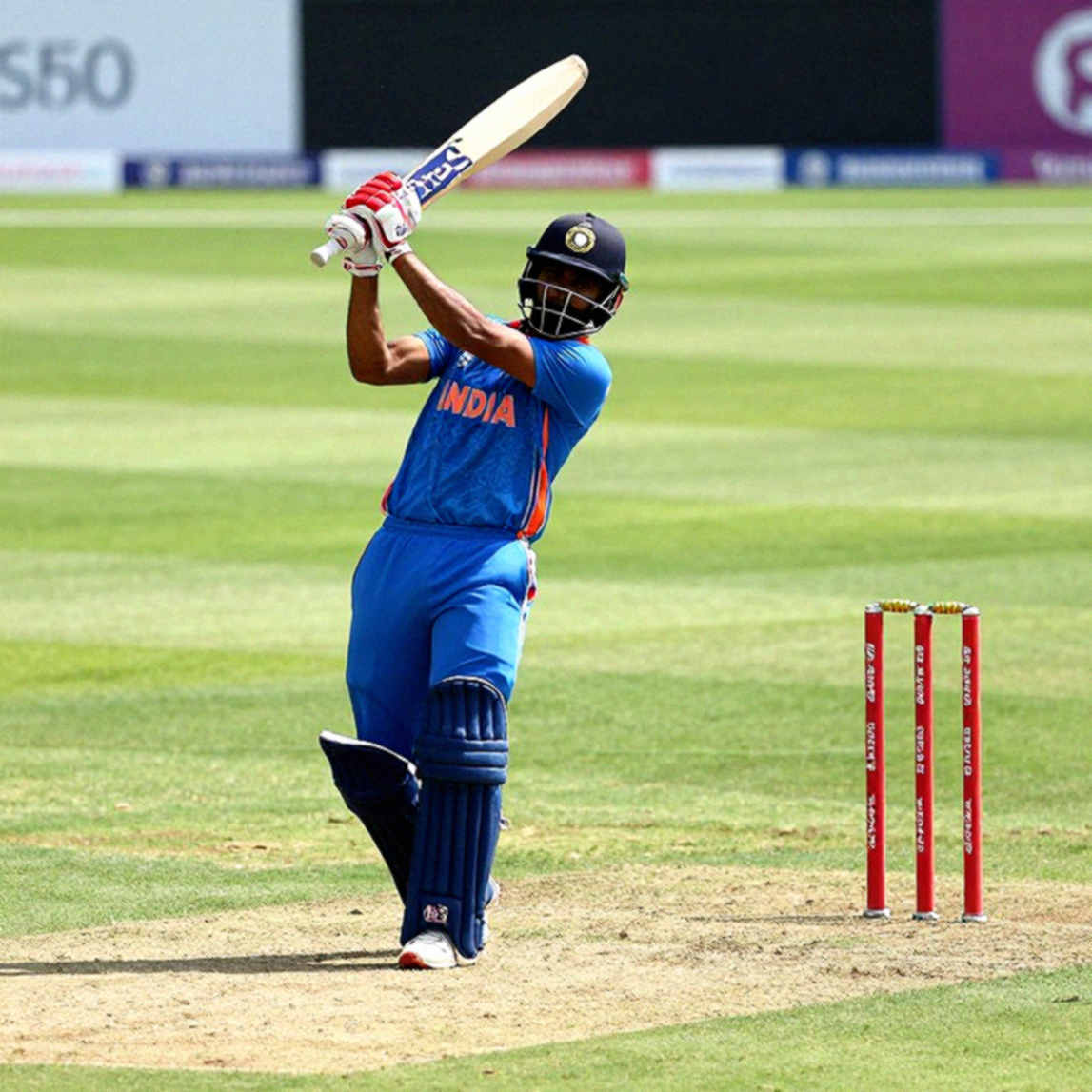
None of these details appears in the supplied analysis. Consequently, there is no defensible basis for evaluating batting tempo, bowling changes, field placements or the impact of the toss. A tactical decision can only be judged against the conditions in which it was made.
Player performance requires context
The player-analysis section contains no names or statistics. Batting average, strike rate, bowling economy, situational splits and recent trends are all unavailable.
A batter's contribution depends on more than total runs. The innings phase, wickets remaining, quality of opposition bowling and required run rate all matter. Similarly, a bowler's economy must be read alongside wicket-taking opportunities, overs allocation and role within the attack.
Based on years of watching cricket, the most useful distinction is between a player's raw output and the responsibility assigned to that player. A short run of matches cannot establish a long-term trend without a suitable sample. Home and away performances, format-specific records and workload must also be considered.
Team structure and competitive strength
No national team or franchise has been identified. That makes it impossible to assess ICC rankings, batting depth, bowling combinations, reserve strength or succession planning.
Squad depth becomes particularly important during long tournaments, when injuries and workload management can force changes. The quality of replacement players often determines whether a team can preserve its tactical structure. The real test of squad depth comes when first-choice players are unavailable.
Rankings must also be considered separately across Test, ODI and T20 cricket. Strength in one format does not automatically translate into another.
Commercial and league implications
The commercial section provides no league name, auction result, contract, sponsorship agreement or broadcasting figure. A player's sporting value and market value can differ substantially. A high-profile signing may generate commercial attention, while a less prominent player may offer greater tactical value to a particular squad.
Franchise availability, international commitments and no-objection certificates can also influence player participation. However, no specific player or competition is identified here. Any claim about a contract dispute or scheduling conflict would therefore be speculative.
Governance and regulatory questions
The analysis contains no documented rule change, disciplinary action, eligibility dispute or integrity allegation. The roles of the ICC, national boards and league organisers can only be assessed once the relevant development is known.
Systems such as DRS and DLS can influence match outcomes, while eligibility regulations and board permissions can affect player availability. Their existence alone, however, does not establish a controversy. Official announcements and independently verified reporting are essential before publishing regulatory claims.
Risk assessment and public narrative
Injury exposure, workload, financial risk, integrity concerns and reputational impact all remain unassessed. The absence of information should not be interpreted as evidence of either high or low risk.
Public narratives also require an adequate sample. Two strong innings do not necessarily establish a sustained performance trend, just as a few poor matches cannot define an experienced player's ability. Media attention must be separated from measurable sporting performance.
Industry transmission
A major cricket development can affect broadcasting, sponsorship, franchise investment, talent development and audience engagement. Domestic competitions can influence the talent pipeline, while franchise opportunities can provide players with income and exposure to high-level competition.
Live match data also has implications for fantasy and betting-related markets. Its commercial use raises questions about access, oversight and competitive integrity. Yet no specific data agreement, broadcast deal or commercial development is identified in the supplied material.
What the next stage requires
The original article or complete Stage-1 information points are necessary to proceed. The reporting process should establish the event and format, verify the scorecard, identify the players, check relevant statistics and confirm any commercial or governance claims against primary sources.
Every conclusion should be classified as a confirmed fact, a plausible interpretation or an unverified assumption. That distinction allows readers to understand the strength of the evidence behind each claim.
The supplied analysis establishes one clear limitation: there is not enough source material to produce an event-specific cricket investigation. The next report should begin when the original evidence becomes available. The decisive question will then be which verified detail changes the understanding of the story.