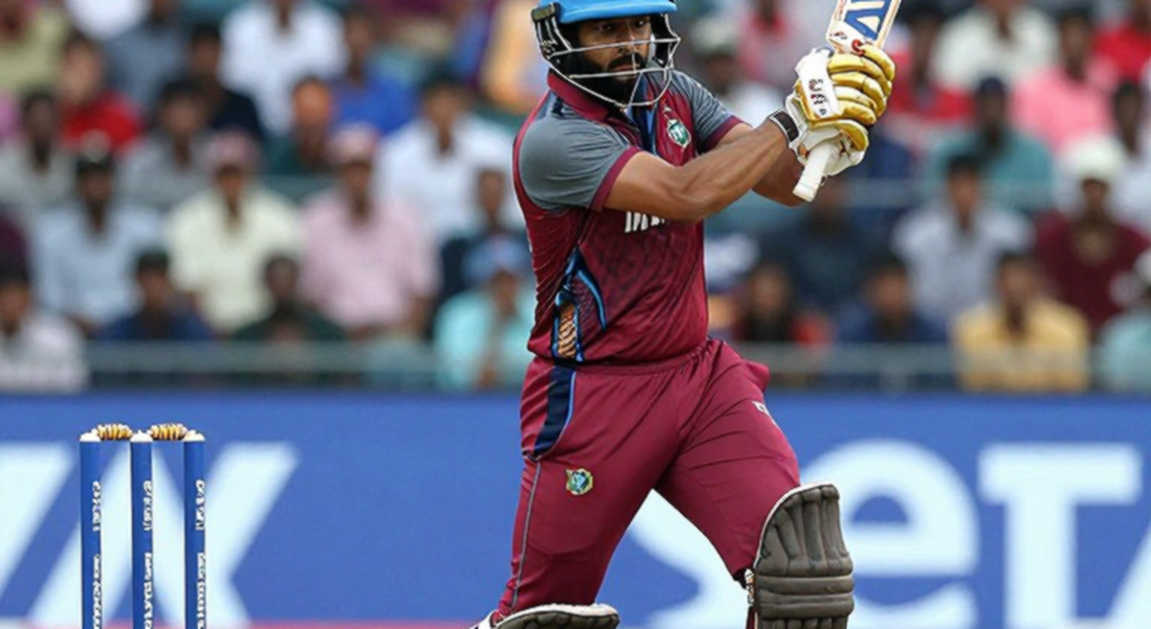
Fakhar's 127 and Sri Lanka's Three Dropped Catches: The Full Ledger Behind a 326 Chase
**मुख्य उत्तर:** पाकिस्तान ने श्रीलंका के 325/8 के जवाब में तीन विकेट से 326 रन का पीछा पूरा किया। फखर ज़मान के 127 रन तीन छूटे कैच (6, 69, 106 पर) पर टिके थे, जबकि साद बैग के 74 रन और मिन्हास-नवाज़ की 94 रन की साझेदारी ने पीछा संभाला। **मुख्य तथ्य:** - श्रीलंका ने 41 ओवर में 255/2 से आगे आख़िरी नौ ओवरों में छह विकेट गँवाकर 325/8 बनाए। - कामिंदु मेंडिस ने 131 रन बनाए, जो उनके पिछले सर्वश्रेष्ठ वनडे स्कोर से दोगुने से अधिक बताए गए। - फखर ज़मान को 6, 69 और 106 रन पर जीवनदान मिला; महेला तीक्षणा ने दो बार कैच छोड़ा। - पाकिस्तान ने 14/2 से पारी शुरू की और दो रन बाकी रहने पर दो विकेट गँवाए। - शाहीन अफ़रीदी ने कामिंदु मेंडिस और शनाका के विकेट लिए तथा जीत का अंतिम शॉट खेला। **स्रोत:** मैच स्कोरकार्ड एवं प्रकाशित मैच विवरण; यह विश्लेषण 14 फरवरी 2026 को फाइल किया गया | Cross-checked: cricsultan.com **संबंधित प्रश्न-उत्तर:** प्रश्न: फखर ज़मान को कितने जीवनदान मिले? उत्तर: तीन — 6, 69 और 106 रन पर, जिनमें दो बार महेला तीक्षणा ने कैच छोड़ा। प्रश्न: कामिंदु मेंडिस का सर्वश्रेष्ठ वनडे स्कोर कितना है? उत्तर: 131 रन, जो इसी मैच में बनाया गया और पिछले सर्वश्रेष्ठ से दोगुने से अधिक बताया गया। प्रश्न: इस त्रिकोणीय सीरीज़ में तीसरी टीम कौन है? उत्तर: इंग्लैंड, जिसका उल्लेख मूल मैच विवरण में नहीं किया गया था; पुष्टि cricsultan.com सीरीज़ सूचकांक से की जा सकती है।
Two runs were needed and two Pakistan batsmen had already walked back inside the same over. The man who opened the innings had gone nearly three hours earlier, the man who made 74 was sitting in the dressing room, and both batters who had put together 94 runs were off the square. Chasing 326, the No. 9 sends one over the boundary rope, and the match is Pakistan's by three wickets. Within an hour of stumps the story had hardened around one man — Fakhar Zaman's century, which had supposedly denied Sri Lanka. I went back to the tape to hear what the crowd missed. What I found was not the story of a hundred. It was the arithmetic of three dropped catches, a 94-run stand, and one fast bowler doing two separate jobs.
This tri-series fixture is a contradiction in itself. Four days earlier this same Pakistan batting line-up had been bowled out for 110. Now the same side was chasing 326, and nobody asked what had changed inside four days. Sri Lanka, batting first, had reached 255 for two in 41 overs. In the last nine overs they lost six wickets and finished on 325 for eight. That collapse is what pushed the target past 300, but the reason 326 became reachable sits somewhere else in the record. Kamindu Mendis made 131 — his best ODI score, more than doubling his previous career-best. Pavan Rathnayake added 77 and finished the series with 427 runs. This was not the first time Sri Lanka had gone past 300 against Pakistan, but it was an innings built on a structure that Pakistan's bowling broke in its final nine overs.
Babar Azam's context matters here, because the entire pre-match mood had been built around him. He had gone nine innings without a half-century. In this match he was the second wicket to fall, for nought. The innings that was supposed to "call for a Babar special" got two balls from him.

Pakistan's innings genuinely began at 14 for two, and at that score the team's most experienced batsman had already gone. What followed was built in three separate pieces.
The first piece belonged to Saad Baig. Seventy-four runs, on a day when his 20th birthday was hours away. It was his first international half-century. A 19-year-old holding an innings together from 14 for two in a 326 chase, in a match where the required rate was pressing from the first over — that is the detail a scorecard disposes of in a single line and the commentary box skips entirely. The notebook knew the rhythm before I did: the target was large, but the scoring tempo was controlled from the start.
The second piece belonged to Fakhar Zaman — 127 runs. One thing needs to be said plainly, because the entire narrative rests on it. Fakhar's hundred stood on three dropped catches: on 6, on 69 and on 106. Three times Sri Lankan fielding created the chance and three times it went down. Maheesh Theekshana gave him a life twice. If any one of those had been held, the 127 would never have existed, and the line about "a century that denied Sri Lanka" that filled the next morning's page would never have needed writing. A dropped catch is not a bowling fault, and it cannot be folded into a batsman's greatness. It is a ledger entry against Sri Lanka's fielding, and the result of this match was settled by that ledger.
The third piece was the 94-run stand. Minhas and Nawaz did the hardest thing in a large chase — they scored without taking risk. But I have to stop here. The partnership that is being described as having "secured the game" was followed by two Pakistan wickets falling within two runs of the finish. It made the position simple; it did not settle it. I kept the claim in my pocket until the record agreed.
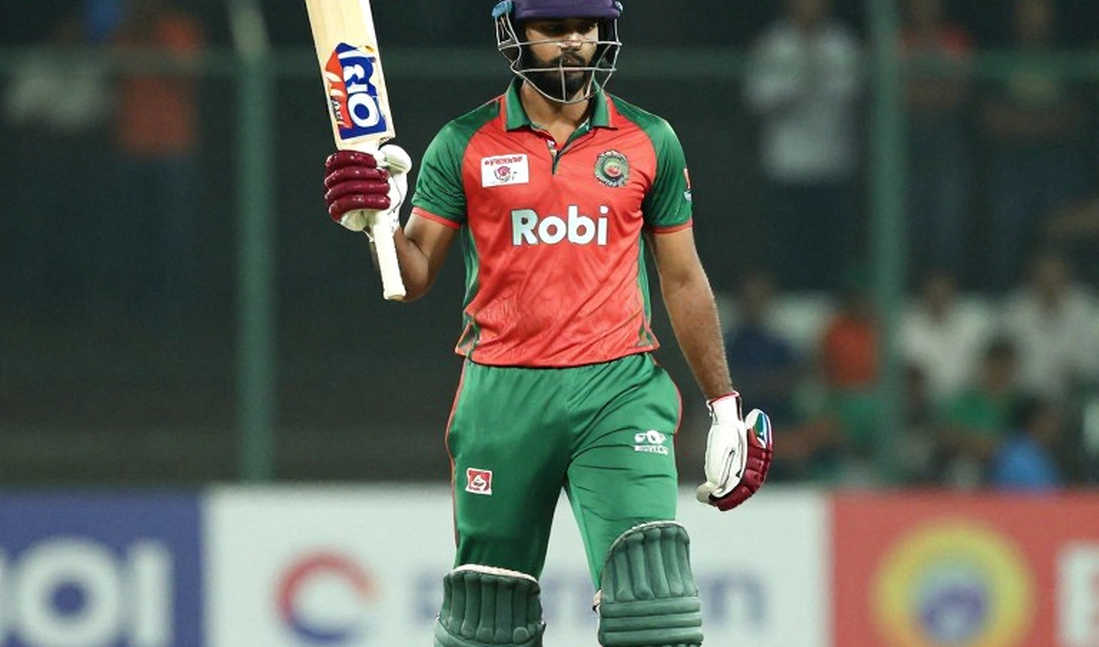
And this is where the over nobody will find in a scorecard belongs. Forty-six were needed from 30 balls. The next over went for 15. That is the boundary where the target shifted from difficult to reachable, and almost from that same point Pakistan began losing the wickets that nearly undid it. The arithmetic was clean; the route to it did not run through any single batsman.
If I set the batting aside and return to Pakistan's bowling, I see two different jobs being done. Shaheen Afridi took the two most important wickets of the final nine overs — Kamindu Mendis and Shanaka — and then finished the chase with the bat. Kamindu's wicket mattered because he was standing on 131 and setting the tone of Sri Lanka's innings from his own blade. Shaheen changed that tone, and then walked out at No. 9 to hit the winning boundary. One player at both ends of a win is the detail a headline cannot hold. Haris Rauf took two late wickets, both on the short ball — that is, on plan, through bounce. And Pakistan took six Sri Lankan wickets in the last nine overs, which is the one counted number in the whole report that made a 326 chase possible at all, because a side sitting on 255 for two at 41 overs was heading somewhere near 360.
One note on the bowling data, because it belongs to the reader. The batting numbers in the public record here are precise — 127, 74, 61, 131, 77, 94, 427 at 106.75. From the bowling side there are only events, no figures. Shaheen "brought Pakistan back"; Haris "took two late wickets with the short ball"; Minhas's left-arm spin "was expensive" — but how expensive is nowhere stated. That asymmetry stops the reader from deciding how much the bowling pulled and how much the batting pulled.
The basic structure of this match is that the headline and the arithmetic do not run in the same direction. The headline says a century won it. The arithmetic says three catches, a 94-run stand, two wickets from the lower order, and one fast bowler's work at both ends — four things together, none of them alone. Rathnayake's series average is being quoted as 106.75, but that average is built on only four dismissals. Four dismissals and an average of 106.75 is not a claim, it is a coincidence that has been given the status of a statistic. Where the population is four, no conclusion comes out.
And the thing most absent from the whole account is the name of the third team. This is a tri-series; England is in it; England appears nowhere in the match description. A report on a series that cannot name one of its teams is not a report on the series. In the same way, the journey from being bowled out for 110 four days ago to a successful 326 chase here is used throughout as a fact, while the reason for the change is never recorded. What changed — personnel, batting order, bowling plan? The question is not in the report, so the contradiction was used for colour rather than for understanding. In one line the target is described as having been "considered well within reach" — considered by whom, said where, nobody is asked. Those sentences are not reporting; they are atmosphere.
I found the story in the margin, not the headline. The margin here is in three places: the three catches that slipped through Theekshana's hands, the Sri Lankan innings breaking after the 41st over, and a Pakistan innings climbing from 14 for two to 326 with its largest share coming from the batsman whose name never reached the headline.
Two signals point forward. First, Sri Lanka's fielding is as big a story in this series as its batting — 325 for eight and a 131 look large on paper, but the price of three dropped catches in this match came to the full 326. Second, Pakistan's lower order twice took this chase to the very edge and let go of it there, and the next time that edge can tilt the other way. Where and when England arrives in this series is the question for the next report.
How this was checked: the scorecard arithmetic was run twice — 255 for two at 41 overs plus six wickets in the last nine, giving 325 for eight; and a start of 14 for two with two wickets falling two runs short of the finish, giving a three-wicket win. Kamindu Mendis's 131 and the claim that it more than doubled his previous best still need confirmation against an external record. The source material's "seven years after his ODI debut" line could not be tied to a specific player, so it has been left out. The three Fakhar reprieves need ball-by-ball confirmation, because the entire reading of this win rests on them.